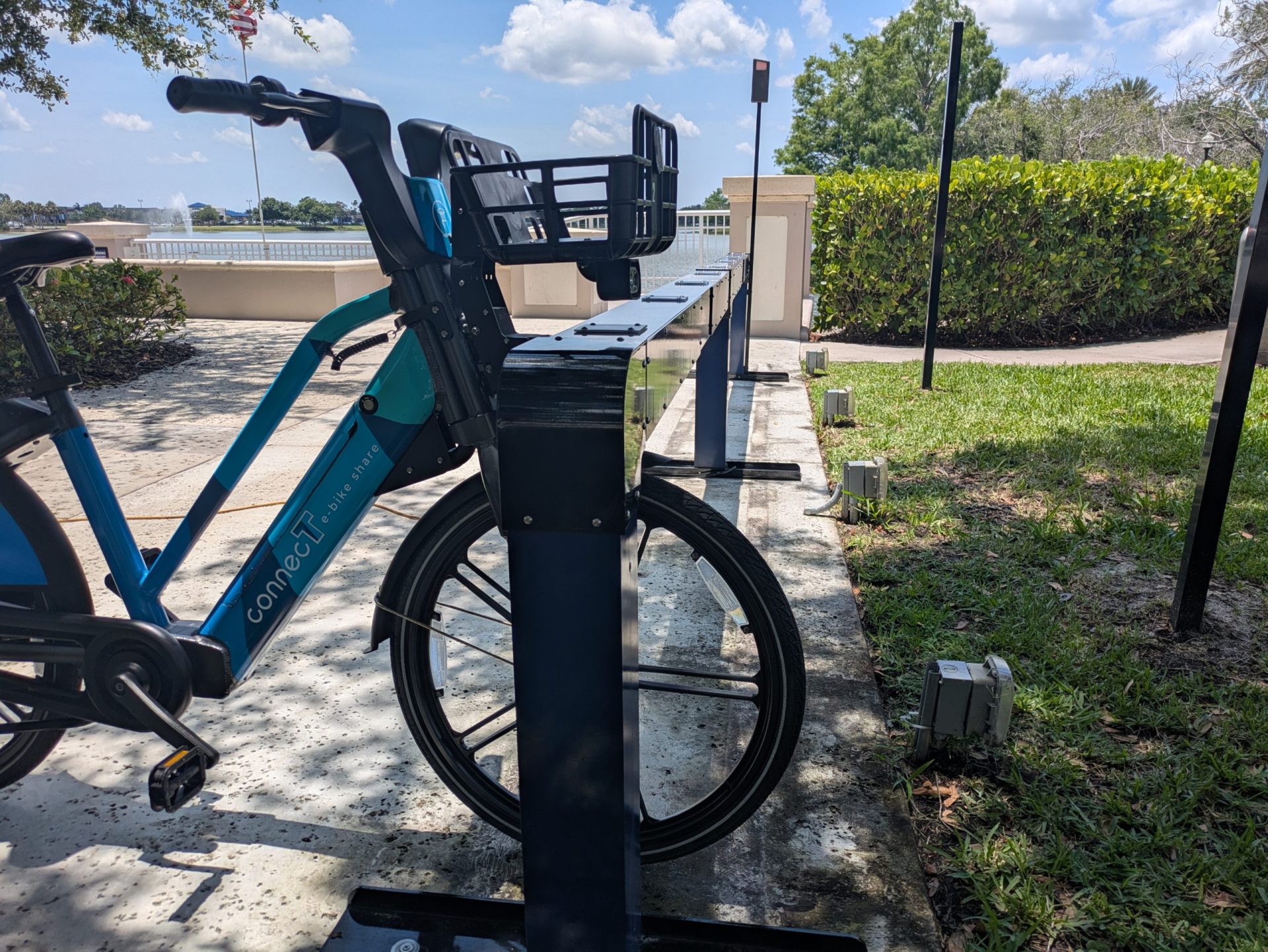
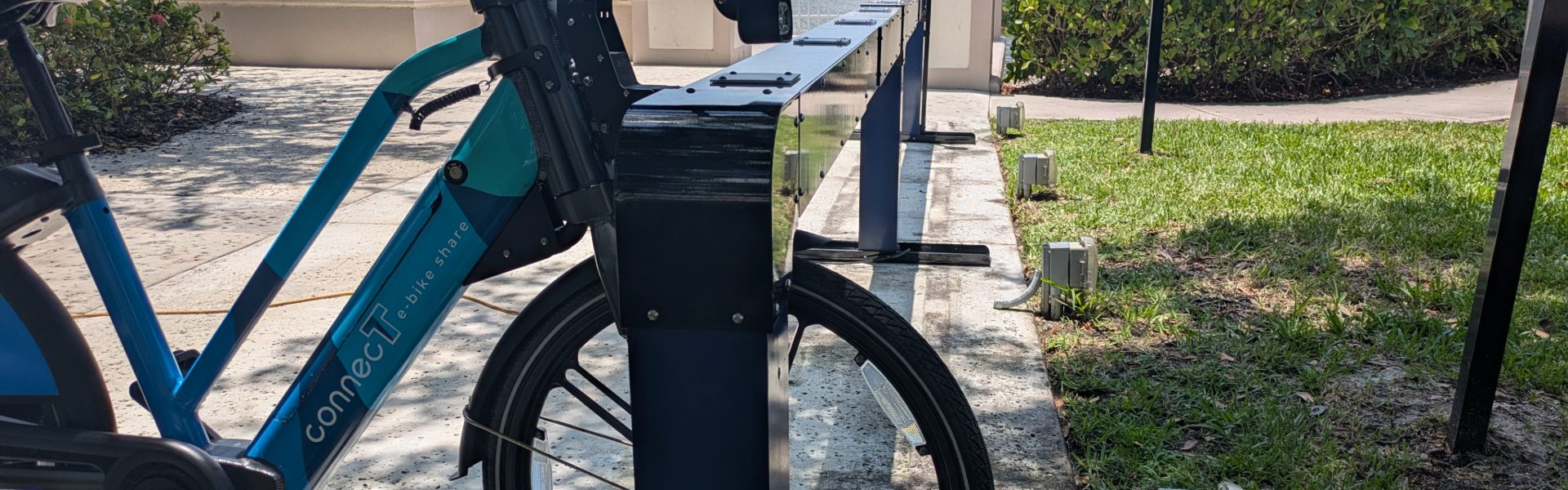
Blue e-bike docked at an outdoor Juise charging station beside a park path
Physical Infrastructure

Fire Safety, Connectivity, and Compliance – The Community Platform

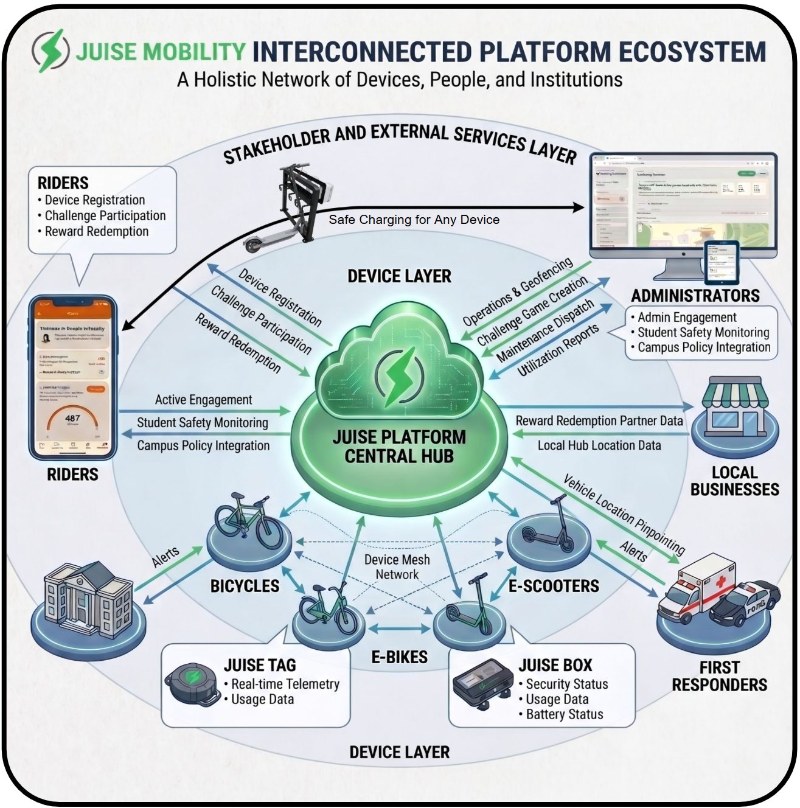
The property manager sees every registered device on a live dashboard. The student earns points for compliant rides and redeems them at a local coffee shop. A thermal event triggers an instant First Alert notification before a fire starts.

What the Juise Platform Looks Like

That isn’t a future concept. It’s what Juise is deploying today — and expanding across every connected environment in 2026 and beyond.

  • Lightning bolt icon
    Juise Pack: outdoor charging station
  • Lightning bolt icon
    Juise Tag: device connectivity and fire detection
  • Lightning bolt icon
    Rider App: community engagement and compliance
  • Lightning bolt icon
    Registration Dashboard: admin visibility connection
  • Lightning bolt icon
    Local business: commerce integration via challenges
  • Lightning bolt icon
    Emergency services: First Alert connection
Diagram of the Juise Mobility platform ecosystem linking riders, devices, administrators and local businesses
Why connected infrastructure matters
The Four Pillars of Connected Infrastructure
Fire departments across the United States and United Kingdom respond to lithium-ion battery fires from privately owned e-bikes and e-scooters at an accelerating pace. These devices sit in buildings because residents and students have nowhere else to charge them.
  • Fire Safety: The first line of defence
    The Juise Tag monitors devices for thermal events and triggers First Alert notifications before a fire takes hold. Paired with outdoor Juise Pack charging infrastructure, it removes the conditions that cause most e-bike fires in the first place — devices charged indoors because there’s no designated alternative.
  • Connected Riders: A network, not just an app
    Riders become part of a verified community — sharing routes, earning rewards for compliant behaviour, and engaging with the spaces around them. The Juise Rider App creates a private, verified network of device owners connected to the environment they ride in. Only registered, approved riders can join.
  • Environmental Quality: Last-mile done right
    Every device that charges safely outdoors is a car trip removed. Juise infrastructure supports the micromobility behaviours that reduce congestion, improve air quality, and contribute to institutional sustainability targets — making the environmental case for e-mobility real rather than aspirational.
  • Local Commerce: Riding drives spending
    Challenge campaigns send verified riders to local businesses as part of compliance incentives. A campus or community running Juise becomes an engaged local economy — riders earn points for visiting local shops, gyms, and campus events, and local merchants benefit directly from the network effect.
The need to calm the chaos

Why the Industry Is Paying
Attention to Private Devices

From fire brigade reports to insurer warnings to university policy changes, the conversation around privately owned micromobility devices and indoor charging is accelerating. Juise sits at the centre of that conversation — and exists to provide the infrastructure solution it demands.

Firefighters spraying water on a smoking building on a city street
Crisis

The Guardian reports

Lithium fires in residential buildings have tripled in three years.

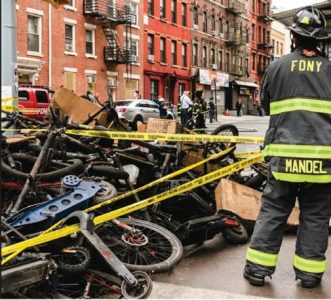
FDNY firefighter beside burned e-bikes behind caution tape after a lithium-ion battery fire
Liability

FDNY warns property operators

Uncontrolled indoor charging creates liability no property can afford.
The problem is in the news every week

The Risk Isn’t Theoretical. It’s Happening in Buildings Right Now.

Fire departments across the United States and United Kingdom respond to lithium-ion battery fires from privately owned e-bikes and e-scooters at an accelerating pace. These devices sit in buildings because residents and students have nowhere else to charge them. The solution isn’t prohibition—it’s infrastructure that makes safe charging the obvious choice.

  • $519M
    In structural damage, injuries, and loss of life caused by e-bike battery fires in four years. [Source: Sayon Deb, UL Standards and Engagement].
  • 90%+
    Of micromobility device fires involve privately owned devices charged indoors — not public shared fleets. [Source: Fire brigade / FDNY reporting].
  • 16M
    Apartment units in the US with no dedicated outdoor charging infrastructure for personal electric devices.
Insights

Insights on Micromobility Infrastructure, Safety, and Community


Real stories from communities building safer infrastructure.
When Riders Become Stakeholders in Their Community image
2 mins read

When Riders Become Stakeholders in Their Community

By Sherwin Prior, CEO/Co-Founder, Juise Mobility On August 29, 2026, an 18-year-old reside
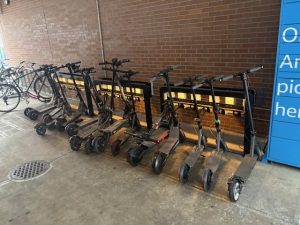
Why Property Managers Are Choosing Outdoor Charging image
6 mins read

Why Property Managers Are Choosing Outdoor Charging

By Sherwin Prior, CEO/Co-Founder, Juise Mobility At Harvey Mudd College in January 2026, a
Why Indoor Storage of E-Bikes and E-Scooters Is a Growing Liability for Property Managers image
13 mins read

Why Indoor Storage of E-Bikes and E-Scooters Is a Growing Liability for Property Managers

By Sherwin Prior, CEO/Co-Founder, Juise Mobility Somewhere in your building right now, whe

E-bike locked into a Juise charging dock on a grass verge